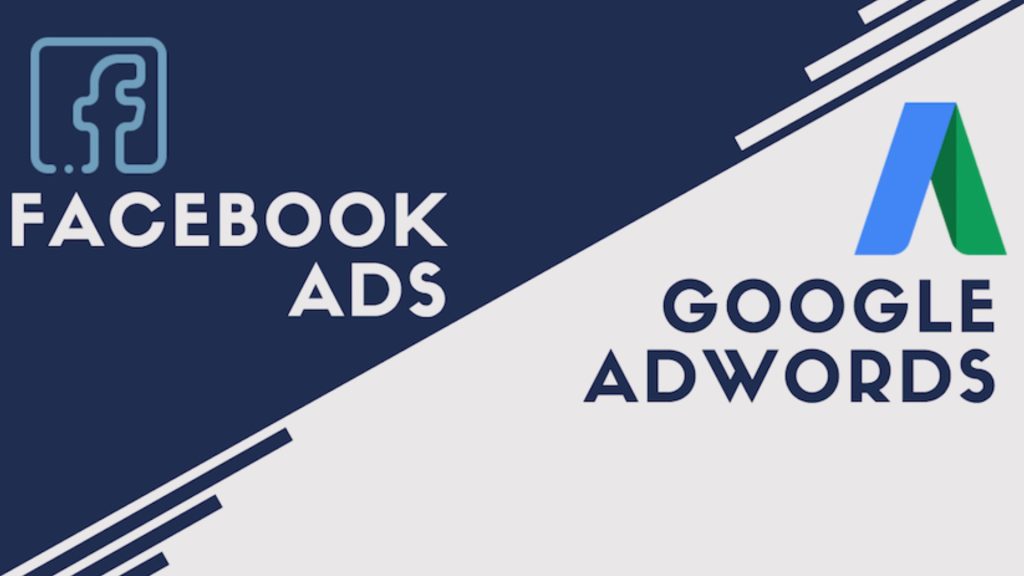
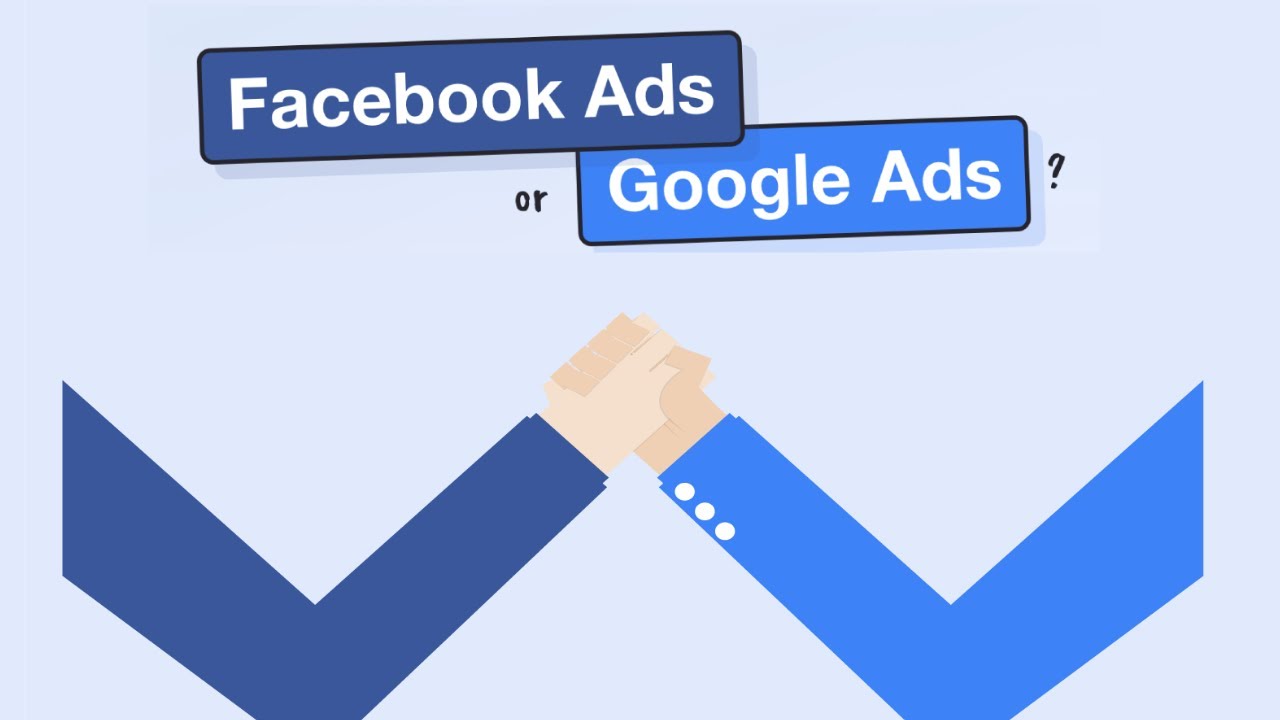
Choosing between Google Ads and Facebook Ads for business is not about finding the “best” tool, but about properly distributing tasks within your sales funnel. The core difference is fundamental: Google works with already-formed demand, while Facebook actively creates that demand. Understanding these mechanisms helps save budget and stops you from trying to sell products to people who do not currently need them.
Power of Intent: When to Choose Google Ads
Google Ads is ideal for situations where the customer has already recognized a need and is actively searching for a solution in the search bar. This is “hot” traffic, where users type queries like “buy a drill” or “order home renovation.” Conversion rates are usually higher here because you are targeting users who are already psychologically ready to make a purchase.
This platform is indispensable for local businesses, medical services, or niche markets with high-value offerings. Working with intent allows you to shorten the sales cycle, as the customer is already looking for a specific solution. You don’t need to convince them that the problem exists—you simply offer the most convenient and effective solution.
Power of Engagement: When to Choose Facebook Ads
Facebook Ads, operating within the Meta ecosystem, is effective for “cold” audiences who are not yet aware of your product. Advertising here relies on visuals, emotions, and precise targeting based on user interests and behavior in their social environment. Social platforms allow you to reach millions of people and introduce your brand while they are in a relaxed, receptive mindset.
This tool is essential for e-commerce, innovative products, or items that require visual demonstration. Facebook allows you to build long-term engagement, gradually guiding users from initial interest to purchase through a sequence of touchpoints. You are not just selling a product—you are building a loyal community around your brand, which is crucial for customer retention.
Hybrid Strategy for Maximum Results
The most effective approach is a combined strategy where both systems complement each other. Use Facebook to generate awareness and Google to capture users who start searching for your brand after seeing it in social media. A hybrid approach reduces customer acquisition costs by efficiently distributing marketing efforts across different stages of the funnel.
There is no need to choose only one platform if your goal is scaling and stable sales growth. Analyze the ROI of each channel separately to shift budgets toward the most profitable segment at the right time. Google harvests existing demand, while Facebook cultivates it, and your success depends on balancing these processes. The final result always depends on how flexibly you can allocate resources between search-driven intent and brand-driven engagement.


Comments