
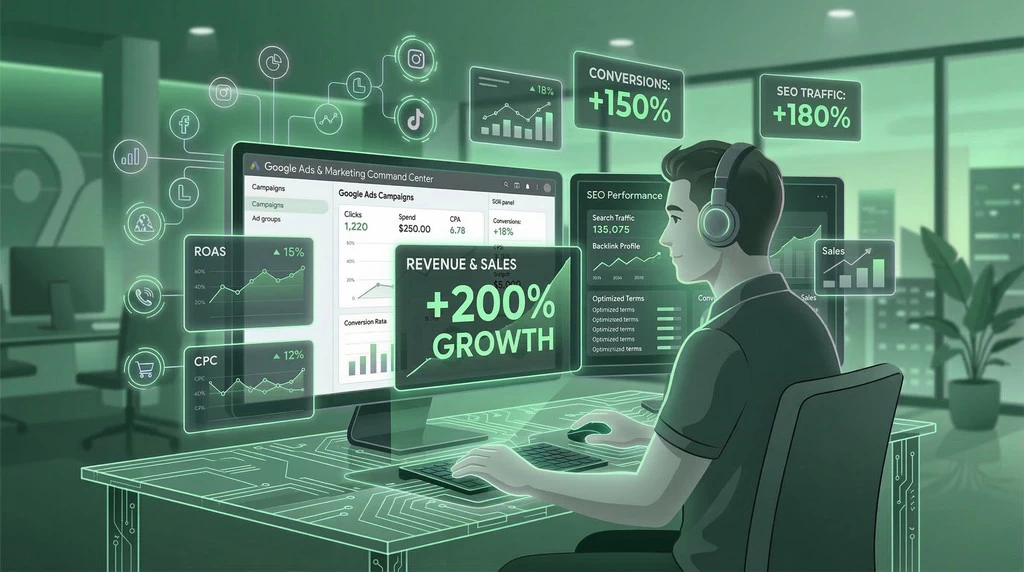
When a home goods store owner approached me, the situation was a classic one: the website was “stuck” somewhere on the fifth page of search results, advertising was draining a ton of money, and orders were barely enough to cover the rent. The main question was: “Can we make it so that we are not just spending, but actually earning?”. Over 10 months of working together, we didn’t just survive—we tripled the sales.
I want to share the experience of how combining paid advertising with the “long game” of search engine optimization created an explosive effect. No magic involved—just clear logic and attention to detail.
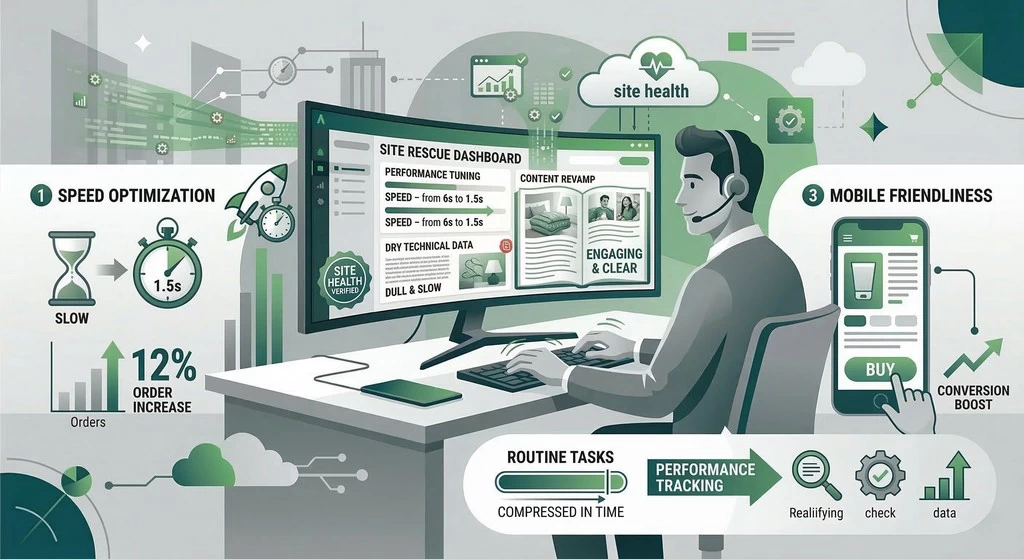
Step 1. Website Rescue Operation (SEO) We didn’t start with ads; we started by “curing” the website itself. It would be a mistake to bring people to a store where the doors are locked and the goods are scattered all over the floor.
- Speed Above All: Analytics showed that the site took 6 seconds to load. We reduced this time to 1.5 seconds. Interesting fact: this single improvement immediately increased orders by 12% because people stopped closing the page before it even opened.
- Human Language: We rewrote all product descriptions. Instead of a dry list of features, we talked about how these items make a home cozy. Search engines noticed that people started reading the texts to the end and began ranking us higher.
- Mobile Usability: We checked every button on smartphones. Once it became convenient for the customer to tap “Buy” with their thumb, conversion increased naturally.
Step 2. Smart Advertising (Google Ads): Stop “Burning” Money In parallel, we launched ads but changed the approach. Previously, the client advertised for broad terms like “home goods.” This was a mistake because everyone—from students to wholesalers—clicks on that term. We focused on specific queries: “buy ceramic dinnerware set” or “orthopedic pillow price.” While there are fewer people searching for these, each one is a ready buyer. The Result: The cost of acquiring one customer dropped by half, while the quality of orders increased. We started paying less to get more.
Step 3. The Synergy Effect: When 1+1 Equals 3 The most interesting part began after 4 months. Thanks to SEO, the site started appearing in organic search results right below the paid ads. Imagine the buyer’s psychology: they see your ad at the top, and then they see a link to your same site slightly lower in the regular search results. This subconsciously builds rock-solid trust. The person thinks: “This company is everywhere; they must be the true leaders.” Analytics confirmed this effect: the number of clicks on our ads grew by 40% exactly when we appeared in the organic TOP 10.
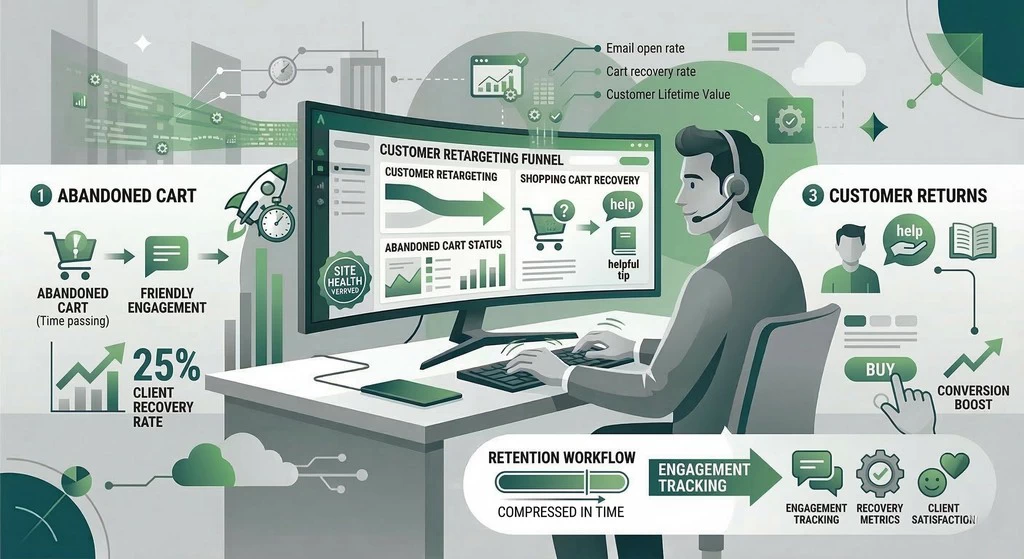
Step 4. Winning Back the Hesitant We set up a system that politely reminded those who added items to their cart but didn’t finish the purchase. We didn’t just shout “buy!”; we offered help or gave useful advice on product care. This helped us recover another 25% of customers who previously would have simply left forever.
Key Takeaways and Figures
After 10 months, we summarized the results:
- Sales increased by 200%. This means that for every one sale we had before, we now get three.
- The share of free customers (SEO) reached 45%. These are people for whom the owner no longer pays a single cent in advertising.
- The cost per order decreased by 60%. We learned to work with such precision that every advertising dollar started bringing in significantly more profit.
This case proves that the secret to success is not spending millions on ads, but making the website user-friendly and search-engine-friendly. When you combine the quick results of advertising with the solid foundation laid by SEO, your business becomes unstoppable.

Comments