
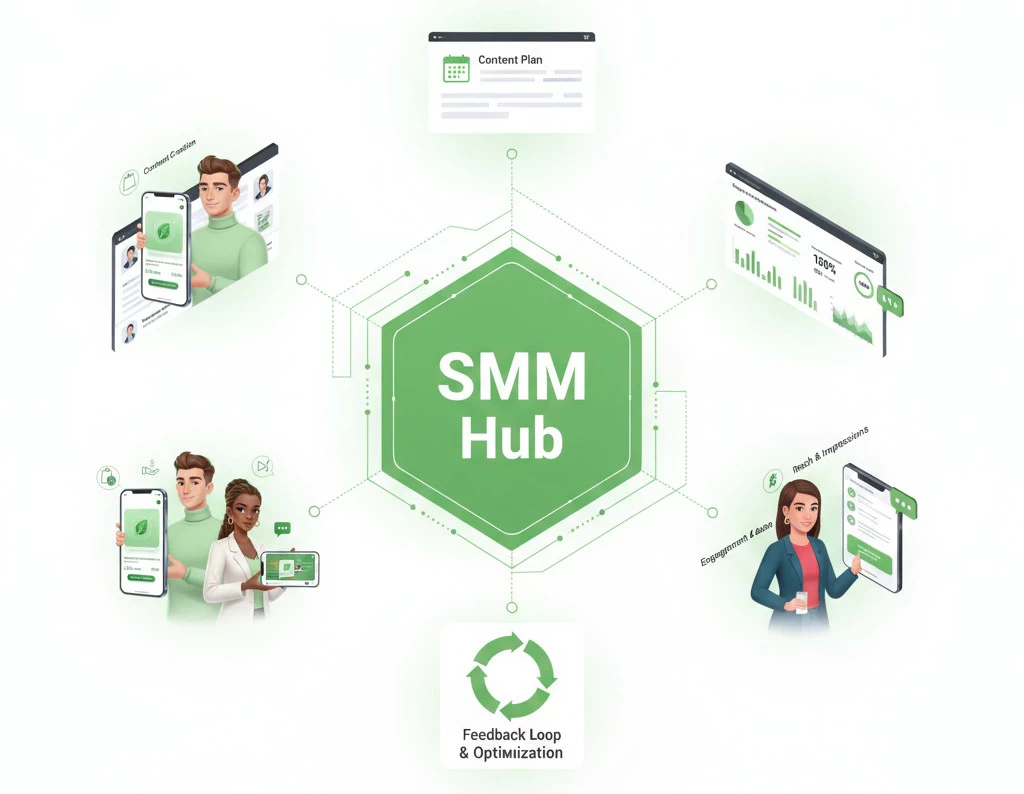
For a long time, it was believed that social media and search engine optimization (SEO) were two parallel lines that would never intersect. Facebook advertising specialists handled likes and shares, while website promotion masters “conjured” over code and keywords. However, in 2026, these two worlds have finally merged. Today, it is impossible to build a successful brand online while ignoring either of these tools.
Although social media links themselves do not directly lift your site in Google’s search rankings (so-called “social signals” work differently), they create a powerful foundation for trust and recognition. Let’s explore how your activity on Instagram or TikTok actually helps your website reach the top positions.
1. Brand Awareness: From Word to Click
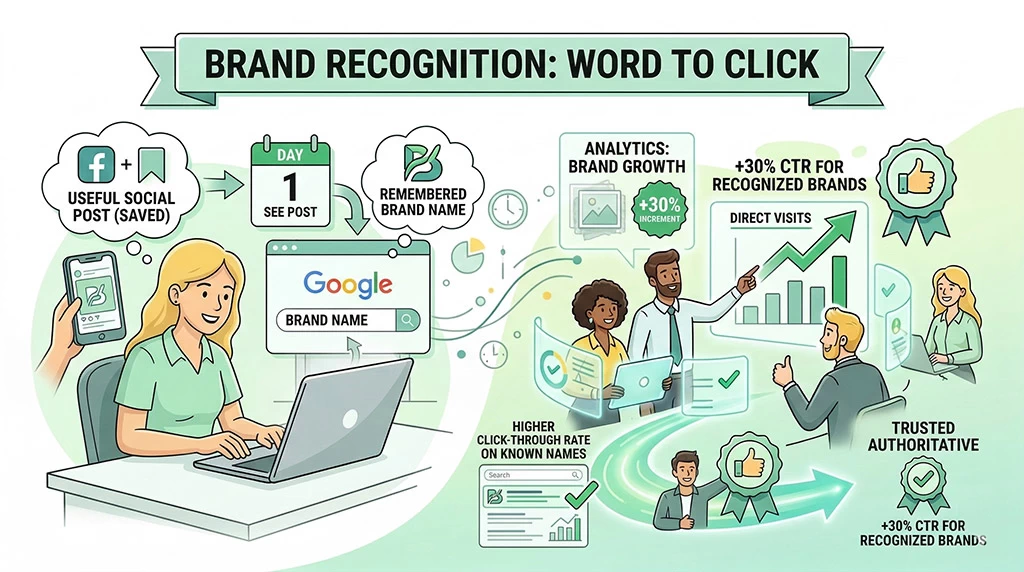
The most important success factor today is direct site visits. Search engines see that if people type your company name into the search bar, it means you are an authority.
- How it works: A person sees your helpful post on social media, remembers the name, and searches for you on Google the next day.
- Interesting fact: Brand websites that are active on social media have a 30% higher click-through rate (CTR) in search results. People are more willing to click on a familiar name, even if it’s not in the first position.
2. Faster Indexing: A Shortcut to Search
When you publish a new article or product on your site, search bots need time to find it. A link to a new page from your social media accounts acts like a bright beacon for algorithms. Search engines monitor spikes in activity. If a post from a website page receives many transitions, the bot will come to check your new content much faster. This is critical for news resources or stores with frequently updated inventories.
3. Social Media as a Source of “Live” Backlinks
Real, high-quality promotion is impossible without links from other websites to yours. Social media is the best platform for distributing your content.
- Analytics: Statistics show that a useful article that becomes popular on Facebook is 5 times more likely to get linked by bloggers or journalists on other websites. You simply show your material to a wide audience, and they begin to quote you on their own resources. This is the most honest and effective way to promote.
4. Improving Behavioral Factors
Search engines closely monitor what people do on your site. If a visitor comes from social media, they are usually already “warm”—they know who you are and are interested in the topic. Such people spend more time on the site, read more pages, and are less likely to close the tab instantly. For Google, this is the best signal: “People like this site; it should be shown more often.”
5. Social Profiles in Search Results
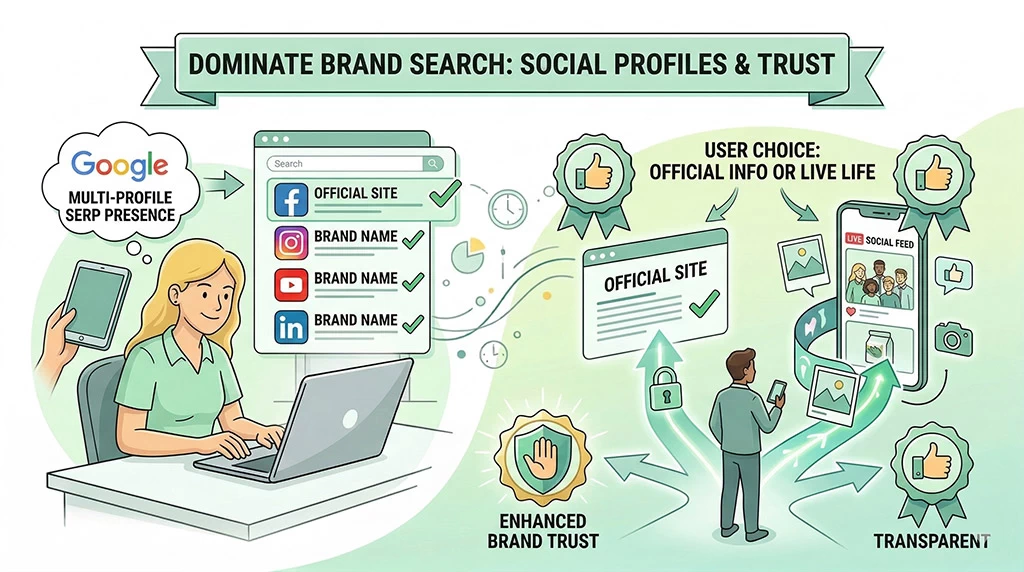
Often, when searching for a brand name, the top positions are occupied not only by the website but also by pages on Facebook, Instagram, or YouTube. This allows you to literally “occupy” the entire first page of search results, leaving no room for competitors. Moreover, it gives the user a choice: read the official website or look at your “live” life in the news feed. This significantly increases the level of overall trust.
6. Video Content: The Secret Weapon
YouTube is the second most popular search engine in the world. Videos from social media often end up in regular Google search results. If you film short and useful reviews, you get a double benefit: views on social media and a free spot in the search TOP.
Social media is not a magic wand for SEO, but it is an incredibly powerful amplifier. It brings what search engines value most in 2026: real human attention, brand trust, and active movement on the site. Do not try to separate these directions. Every like you get today is a brick in the foundation of your high ranking tomorrow.
Comments