

If you are just starting your journey into the world of website promotion, I have two pieces of news for you. The bad news: old methods, like simply buying links to become a leader, are officially dead. The good news: today, search engines have become so “human” that you don’t need to be a programmer to succeed. It is enough to understand your customer and give them exactly what they are looking for.
In 2025, search algorithms have transformed into full-fledged critics. They evaluate not only the presence of keywords but also how convenient, useful, and secure your site is. Let’s break down what a beginner should spend time on and what is better to forget.
1. Substance Over Words
Previously, we wrote texts for robots, inserting phrases like “buy sofa cheap London” into every sentence. Today, doing this can quickly land you in hot water. The main trend of the year is utility. The search engine understands context. If you are writing about apartment renovations, it expects to see advice on choosing materials, budget examples, and real photos of the process.
Interesting fact: Articles that provide detailed answers to a user’s specific question receive three times more clicks than general “all-about-everything” texts. Your task is to become a helpful advisor to the reader, not a promotional brochure.
2. Speed and Mobile-Friendliness
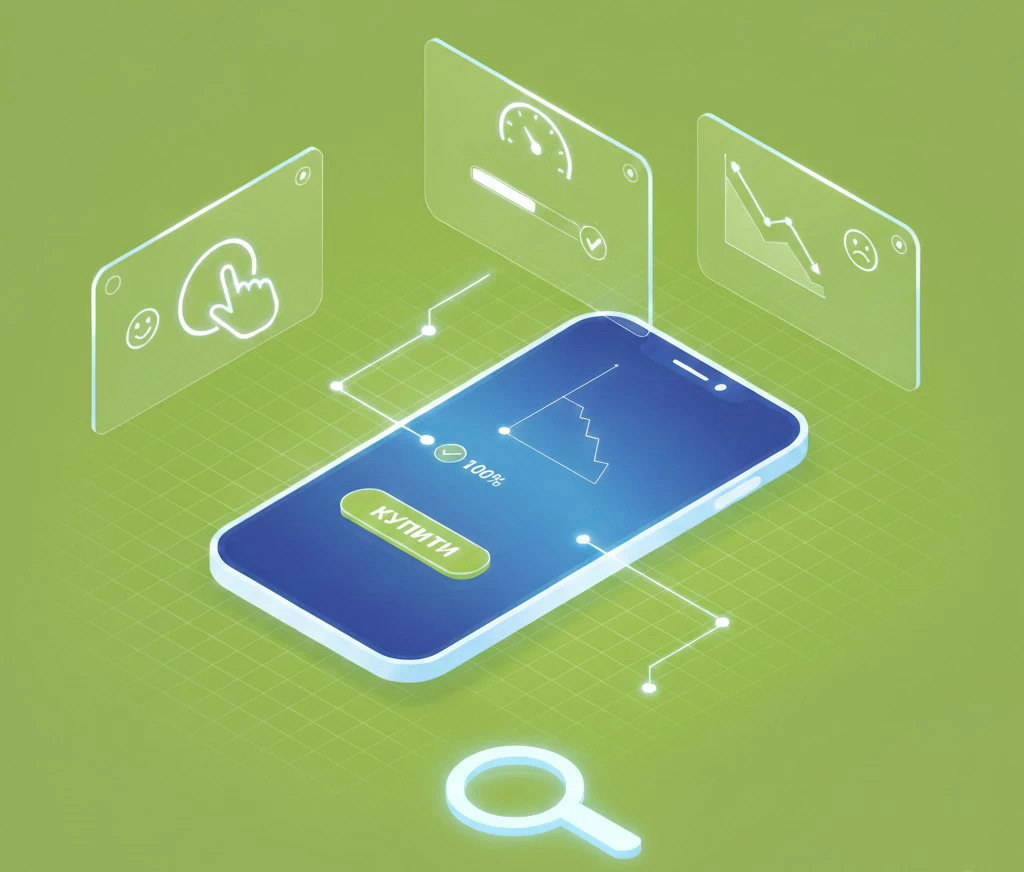
Over 70% of people access the internet via smartphones. If your site takes too long to load or the buttons are hard to click—you’ve lost. Analytics show that a delay in loading of just one second reduces a person’s desire to buy something by 15–20%. In 2025, search engines look at the mobile version of the site first. If it “flies,” your chances of appearing at the top increase dramatically.
3. Answers to Questions (Featured Snippets)
You’ve likely noticed that Google often provides a ready-made answer directly in the search results, so you don’t even need to click anywhere. Many think this is bad because the user doesn’t visit the site. But in reality, it’s a gold mine. If your text hits that block, trust in your brand skyrockets. To get there, use clear lists, tables, and question-format headings in your articles.
4. Human Experience vs. Machines
The internet is currently flooded with AI-generated text. Search engines have learned to recognize them and have begun to value “live” content. In 2025, personal experience is incredibly important. Talk about your mistakes, show your own photos, and share real reviews. A robot cannot go to a store and check the quality of a fabric, but you can. It is for this unique experience that search engines will promote you above others.
5. Security and Reputation
People are afraid to leave their data on suspicious resources. Having a secure connection (HTTPS), clear contact information, a location map, and info about the authors isn’t just a formality. These are signals of reliability. The more “proof” of your reality you provide, the more willing algorithms will be to recommend you to others.

Practical Example: How It Looks in Real Life
Imagine you’ve opened a small bakery. You could write an article titled “The Tastiest Bread in the City” and simply list your assortment. That will have a weak effect. Or, you could write: “5 signs that bread is truly fresh, and how we choose flour for our buns.” Such an article would include photos of flour sacks, videos from the oven, and tips on how to store bread at home. The search engine will see that you are an expert, and people will see that you can be trusted. The result? You are in the TOP for specific queries from residents in your neighborhood.
SEO in 2025 is not magic or cheating the system. It is about creating a high-quality product that people want to tell their friends about. Start small: make the site fast, write honestly, and always think about what customer problem you are solving right now. Remember: you work for people, and search engines are just intermediaries who love those who provide value.



Comments